
About This Holiday Lighting Guide
Prepared by: Holiday Illumination Christmas Light Installation
Last updated: September 3, 2026
Quick Answer
An Atlanta holiday lighting planning checklist helps turn a broad idea—“we want the property decorated”—into a scope that can actually be estimated and scheduled. The most useful preparation covers display areas, priorities, colors, access, timing, electrical considerations, maintenance, takedown, and storage.
The checklist is valuable for both homes and businesses because it separates must-have decisions from optional details. Customers can request a clearer estimate, and the installer can understand the property before the busiest part of the season.
Key Takeaways
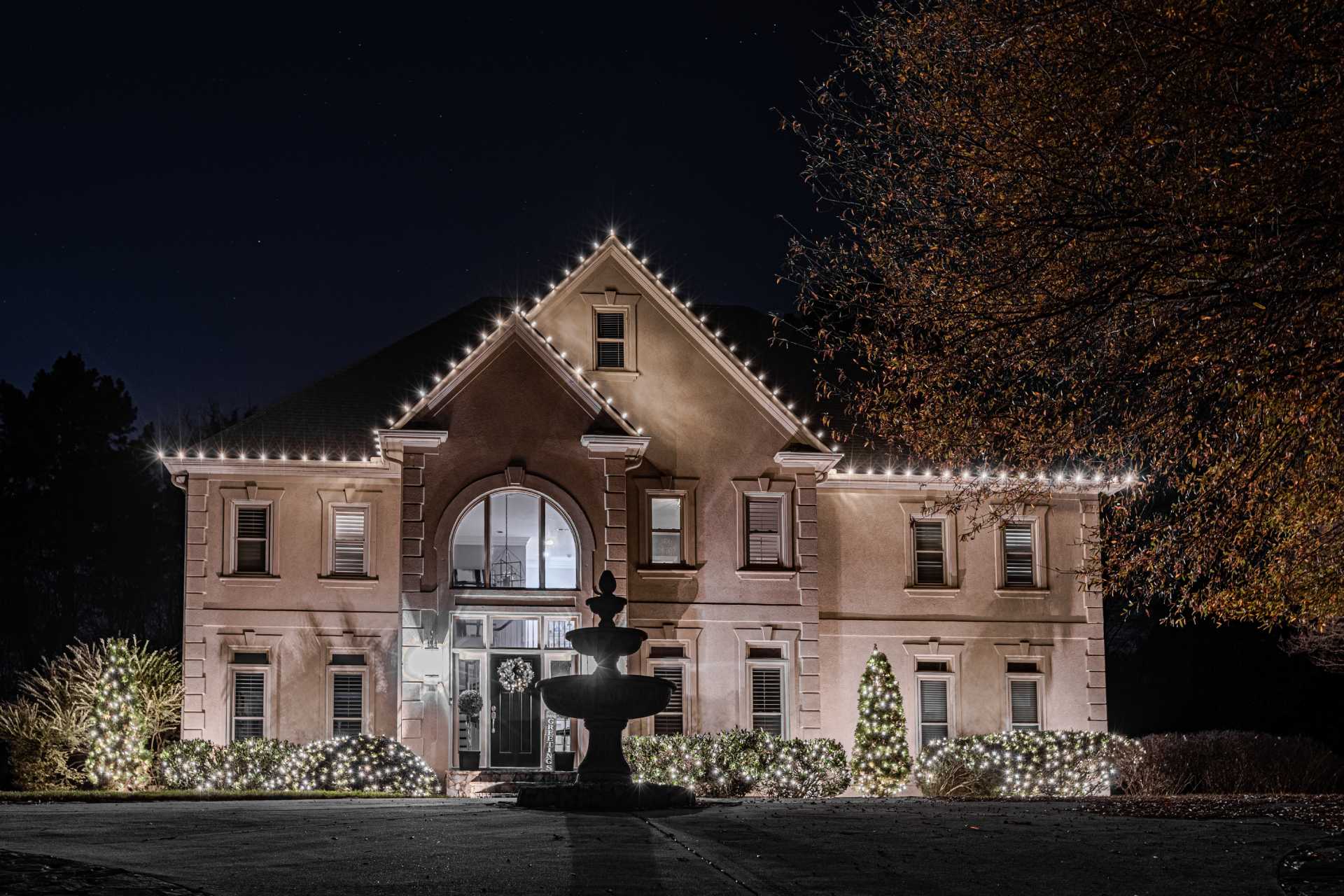
- List must-have and optional lighting areas. Start with rooflines, ridgelines, trees, bushes, columns, entries, wreaths, garlands, walkways, storefronts, entrances, or common areas. Mark which features must be included and which can be added if…
- Choose the visual direction. Decide whether the display should feel classic, warm, colorful, bold, minimal, or highly architectural. Note any strong preferences for warm white, multicolor, wreaths, tree wrapping, or landscape lighting.
- Document access and scheduling details. Record gate information, pets, steep grades, parking, landscaping, commercial operating hours, board approvals, delivery periods, or other conditions that affect when and how installation can happen.
- Plan the full seasonal lifecycle. Before approval, confirm the desired switch-on date, in-season service process, takedown expectations, and whether the lights will be returned or stored for the next season.
1. Define the Property Areas You Want Lit
List the rooflines, ridgelines, trees, bushes, columns, entries, wreaths, garlands, walkways, storefronts, or common areas that matter most. Separating must-have areas from optional accents helps keep the design and estimate focused.
2. Confirm Timing, Access, and Property Constraints
Choose the date you want the display operating, then account for estimating, design decisions, seasonal demand, installation access, property hours, weather, and any approval requirements. Commercial and HOA properties should also identify the main site contact and operating constraints.
3. Plan Maintenance, Takedown, and Storage Before Installation
Ask how an in-season lighting issue is reported, when post-season removal is expected, and whether removed lights will be returned or stored. Planning the full service cycle before installation reduces uncertainty later in the season.
4. Send Enough Information for a Property-Specific Estimate
Provide the property address or service area, residential or commercial property type, requested lighting areas, timing goals, and any useful project notes or photos. The exact scope and scheduling should be confirmed directly for the property.
Step-by-Step Planning Framework
List must-have and optional lighting areas
Start with rooflines, ridgelines, trees, bushes, columns, entries, wreaths, garlands, walkways, storefronts, entrances, or common areas. Mark which features must be included and which can be added if the scope allows.
Choose the visual direction
Decide whether the display should feel classic, warm, colorful, bold, minimal, or highly architectural. Note any strong preferences for warm white, multicolor, wreaths, tree wrapping, or landscape lighting.
Document access and scheduling details
Record gate information, pets, steep grades, parking, landscaping, commercial operating hours, board approvals, delivery periods, or other conditions that affect when and how installation can happen.
Plan the full seasonal lifecycle
Before approval, confirm the desired switch-on date, in-season service process, takedown expectations, and whether the lights will be returned or stored for the next season.
Common Mistakes to Avoid
- Requesting a quote without identifying the parts of the property that matter most.
- Choosing colors before considering the exterior materials and main nighttime viewing angle.
- Forgetting access restrictions, gates, pets, operating hours, or property approvals.
- Waiting until after installation to ask about repairs, removal, or storage.
The purpose of this checklist is to make the scope clearer before installation. It also makes estimates easier to compare because design, access, service, removal, and property constraints are documented instead of assumed.
Frequently Asked Questions
What should I photograph before requesting an estimate?
Take clear exterior photos showing the main roofline, front elevation, trees, entries, walkways, and any commercial or shared areas you want included. Wider photos help show access and proportions.
Should I decide on warm white or multicolor before calling?
You do not have to finalize every detail, but sharing your preferred look helps the design discussion. The installer can then suggest how that style fits the architecture and requested areas.
Why should removal and storage be planned before installation?
It keeps the complete seasonal service clear from the start and helps avoid uncertainty about who takes the display down, when it happens, and what happens to the materials afterward.
What makes a quote property-specific?
A useful quote reflects the address, lighting areas, access, design, materials, timing, service expectations, and any commercial or HOA constraints for that exact property.
Related Holiday Lighting Services & Resources
Services · Light Hanging Service · Free Quote · Christmas Light Installation Atlanta · Holiday Lighting Resources · Request a Free Estimate
Plan the Next Step for Your Property
Use this guide to narrow the design, timing, access, and seasonal-service questions that matter for your property. When you are ready, request a property-specific estimate so Holiday Illumination can confirm the exact scope, availability, installation requirements, in-season support, takedown, and storage options that apply to the address.