
About This Holiday Lighting Guide
Prepared by: Holiday Illumination Christmas Light Installation
Last updated: September 3, 2026
Quick Answer
HOA holiday lighting in Atlanta works best when the approval timeline and common-area scope are settled before the busiest part of the season. Community projects can involve board review, management approval, shared entrances, monument signs, clubhouses, trees, rooflines, walkways, and resident traffic.
The project should be easy for the board or manager to understand: which areas are included, what the design is intended to accomplish, when installation can occur, who manages access, and how maintenance and takedown will be handled.
Key Takeaways
- Set the board or management approval deadline. Work backward from the desired switch-on date and determine when the design and budget need final approval. Earlier decisions provide more scheduling flexibility and reduce the risk of…
- Prioritize the shared areas residents see most. Community entrances, monument features, clubhouses, primary trees, rooflines, and central gathering areas usually deserve attention before less visible accents. A hierarchy helps the design stay coherent and easier…
- Review access, traffic, and electrical conditions. Consider gate schedules, resident traffic, landscaping, pedestrian paths, parking, ladders or lift access, electrical availability, and any property rules that affect when or how installation can happen.
- Name one maintenance contact for the season. Choose the person who can report issues and coordinate access if a repair is needed. The same plan should identify the expected removal period and whether the HOA…
Start With the Approval Path
Identify who can approve the design and budget, whether board review is required, and when the decision needs to be final. Community projects often involve more stakeholders than a single residential property, so earlier approval leaves more flexibility for seasonal scheduling.
Prioritize Shared Spaces
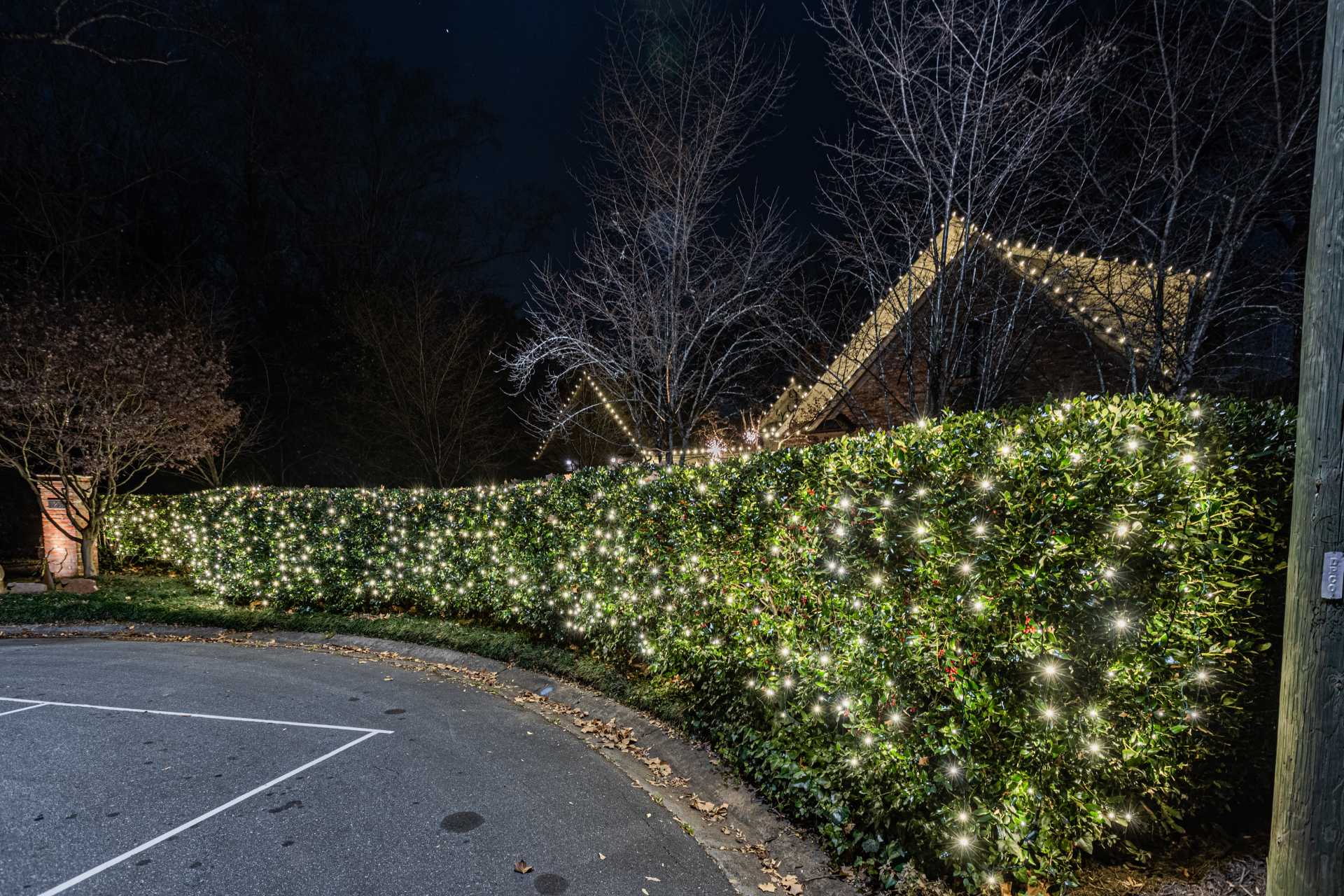
Common targets include neighborhood entrances, monument signs, clubhouses, rooflines, trees, landscaped islands, walkways, and other gathering areas. The design should consider traffic, visibility, electrical access, and how the lighting will look from the routes residents and guests use most often.
Document Maintenance and Removal Responsibilities
Confirm the property contact for in-season service, the process for reporting a lighting issue, the desired takedown window, and whether storage will be used. Clear responsibility and communication make it easier for property managers to handle the display throughout the full season.
Step-by-Step Planning Framework
Set the board or management approval deadline
Work backward from the desired switch-on date and determine when the design and budget need final approval. Earlier decisions provide more scheduling flexibility and reduce the risk of a project being delayed by another meeting cycle.
Prioritize the shared areas residents see most
Community entrances, monument features, clubhouses, primary trees, rooflines, and central gathering areas usually deserve attention before less visible accents. A hierarchy helps the design stay coherent and easier to approve.
Review access, traffic, and electrical conditions
Consider gate schedules, resident traffic, landscaping, pedestrian paths, parking, ladders or lift access, electrical availability, and any property rules that affect when or how installation can happen.
Name one maintenance contact for the season
Choose the person who can report issues and coordinate access if a repair is needed. The same plan should identify the expected removal period and whether the HOA wants storage.
Common Mistakes to Avoid
- Waiting for the final board meeting before asking about installer availability.
- Trying to light every common area equally instead of prioritizing the most visible community features.
- Approving the design without checking electrical access, gate schedules, pedestrian routes, or property rules.
- Leaving maintenance requests to multiple residents instead of assigning a clear management contact.
The purpose of this checklist is to make the scope clearer before installation. It also makes estimates easier to compare because design, access, service, removal, and property constraints are documented instead of assumed.
Frequently Asked Questions
How early should an HOA begin holiday-lighting planning?
Begin early enough to complete board or management approval before the preferred installation window fills. Communities with formal meeting schedules benefit from working backward from the desired switch-on date.
What areas are commonly included in HOA holiday lighting?
Community entrances, monument signs, clubhouses, rooflines, trees, landscaped islands, walkways, and other shared gathering or arrival areas can be considered depending on the property.
Can HOA installation be coordinated around resident traffic?
Yes. The work plan can account for gates, parking, pedestrian routes, busy periods, and other access conditions identified during estimating.
Who should report a lighting issue during the season?
It is usually more efficient for the HOA or management team to designate one primary contact who can report issues and coordinate access with the installer.
Related Holiday Lighting Services & Resources
HOA & Community · Commercial · Free Quote · Christmas Light Installation Atlanta · Holiday Lighting Resources · Request a Free Estimate
Plan the Next Step for Your Property
Use this guide to narrow the design, timing, access, and seasonal-service questions that matter for your property. When you are ready, request a property-specific estimate so Holiday Illumination can confirm the exact scope, availability, installation requirements, in-season support, takedown, and storage options that apply to the address.